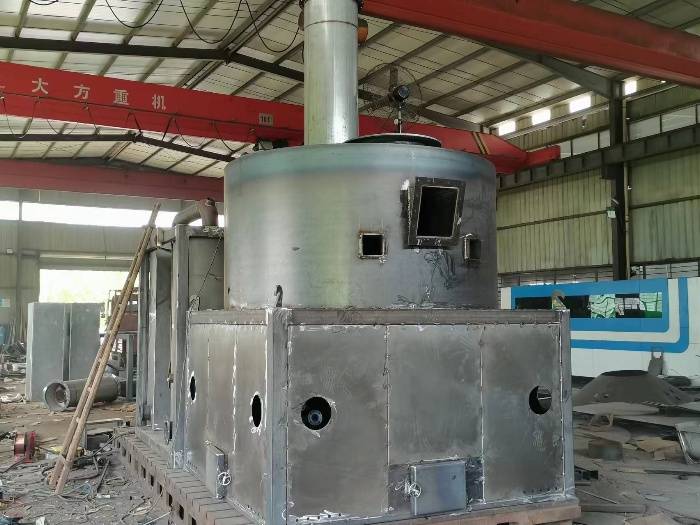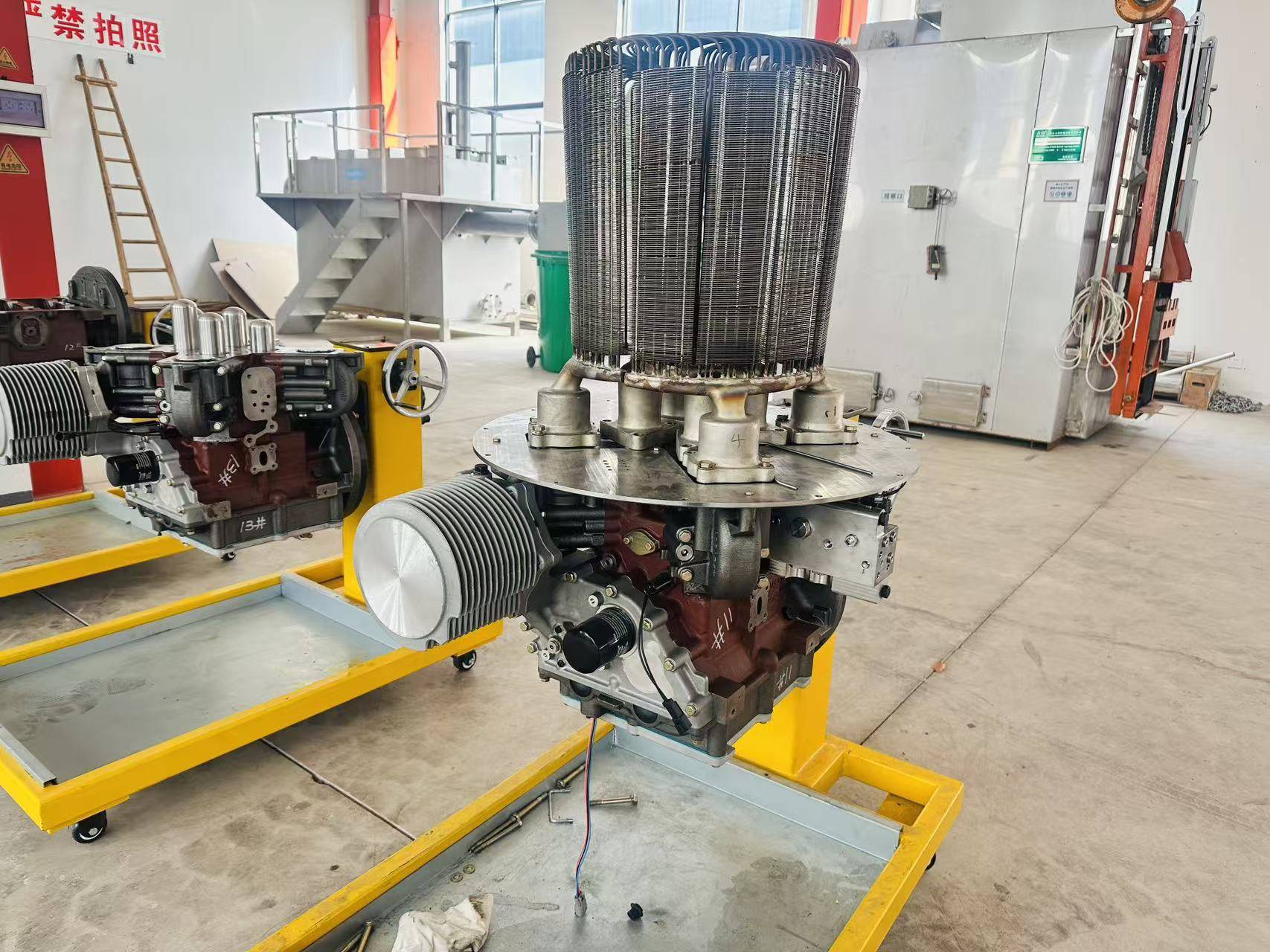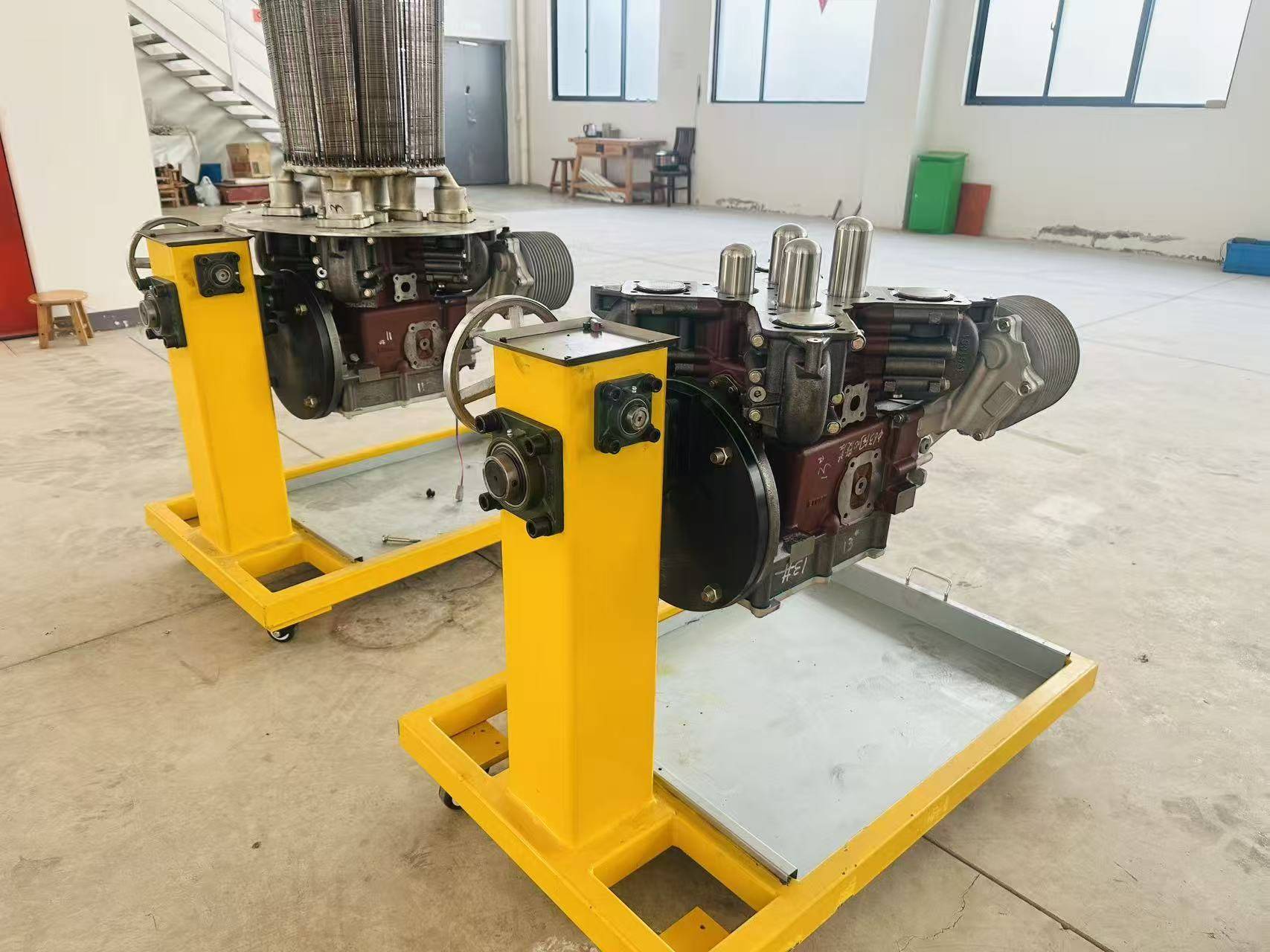
Fireprint small-scale waste-to-energy power plant in China has a daily waste treatment capacity of 3–27 tons. It adopts advanced low-temperature magnetic-gas pyrolysis technology as distributed on-site waste energy conversion equipment, suitable for solid waste projects in towns, scenic spots and remote villages. Unlike large centralized incineration plants, this system does not require massive waste collection and transportation. Domestic garbage, agricultural residues and waste farm films can be fed into the reactor without complicated sorting. Operating at 300–500℃ in a sealed oxygen-deficient environment, the equipment uses magnetic catalysis to decompose organics, avoiding the temperature range for dioxin formation and cutting toxic pollutants at source. The furnace runs under continuous negative pressure. Multi-stage flue gas purification ensures emission compliance and reduces NIMBY risks.
Combustible mixed gas generated by waste pyrolysis recovers heat to drive power generators for on-site electricity supply, powering village lighting, irrigation and public facilities. Heavy metals in pyrolysis biochar are stabilized. Biochar can be reused as soil conditioner or construction aggregate to realize resource recycling. The modular unit occupies a small area with low civil construction cost, simple automatic operation and short installation period.
Fireprint 3–27 ton waste-to-energy solution integrates waste harmless treatment, volume reduction and energy recovery. It eliminates long-distance waste transportation costs and secondary pollution such as leakage and dust. As an advanced technology, it builds lightweight waste power plants for counties and villages, serving as an ideal complete solution for zero-waste villages and distributed low-carbon energy construction.
#Fireprint_Small_Scale_Waste_to_Energy_Plant #3_27_Ton_Waste_Pyrolysis_&_Power_Generation #Distributed_Waste_to_Energy #Low_Temperature_Magnetic_Pyrolysis_Technology